Profilo personale: Alberto Lanzavecchia
Alberto Lanzavecchia
Corsi


Business and Human Rights: From Knowledge to Responsibility
This course examines why business conduct systematically violates human and environmental rights — and what can be done about it. Drawing on the Open Access volume Business and Human Rights: From Knowledge to Responsibility (Padova University Press), it combines international law, environmental science, and political economy across twenty 90-minute lessons, moving from theoretical foundations to sectoral case studies and, finally, to an open discussion of organised resistance to systems of corporate impunity.
Assessment combines a written quiz with a Working Group Assignment for attending students (≥80% attendance); non-attending students are assessed through a comprehensive written quiz alone.
- Docente: Alberto Lanzavecchia

FORMER NAME (ALIAS): BUSINESS AND HUMAN RIGHTS
The Guiding Principles on Business and Human Rights, defined by the UN in 2011, assign for the first time the responsibility for ensuring the protection and respect of human rights to companies, and no longer only to states.
The UN was followed by the European Commission which, in Directive 2014/95 on the Disclosure of Non-Financial Diversity Information by Some Large Companies and Groups, requires public interest companies to report on their commitment to respect human rights, prevent corruption and abuse.
This course presents theory and practice in order to assess the status of implementation of human rights protection as a consequence of corporate activities.
- Docente: Alberto Lanzavecchia

FORMER NAME (ALIAS): BUSINESS AND HUMAN RIGHTS
The Guiding Principles on Business and Human Rights, defined by the UN in 2011, assign for the first time the responsibility for ensuring the protection and respect of human rights to companies, and no longer only to states.
The UN was followed by the European Commission which, in Directive 2014/95 on the Disclosure of Non-Financial Diversity Information by Some Large Companies and Groups, requires public interest companies with more than 500 employees to report on their commitment to respect human rights, prevent corruption and abuse.
This course presents theory and practice in order to assess the status of implementation of human rights protection as a consequence of corporate activities
- Docente: Alberto Lanzavecchia
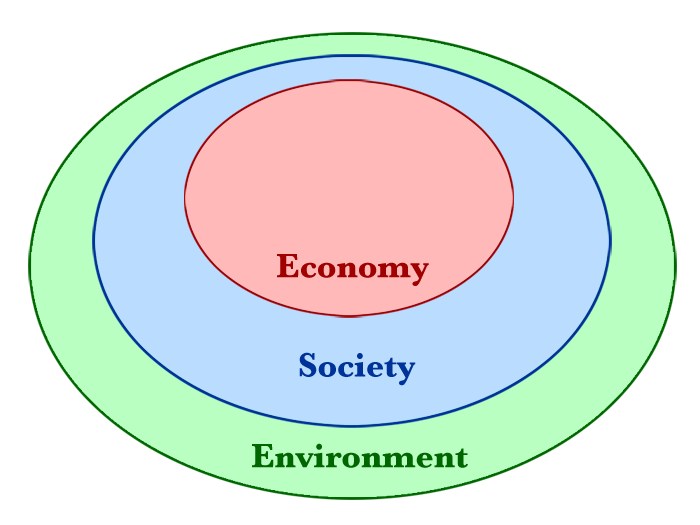

The Guiding Principles on Business and Human Rights, defined by the UN in 2011, assign for the first time the responsibility for ensuring the protection and respect of human rights to companies, and no longer only to states.
The UN was followed by the European Commission which, in Directive 2014/95 on the Disclosure of Non-Financial Diversity Information by Some Large Companies and Groups, requires public interest companies with more than 500 employees to report on their commitment to respect human rights, prevent corruption and abuse.
This course presents theory and practice in order to assess the status of implementation of human rights protection as a consequence of corporate activities
- Docente: Alberto Lanzavecchia

Students in Human Rights and Multi-Level Governance have to take a 9 credits (about 225 hours) worth internship. Here are some basic information and materials to guide you to plan and complete successfullly a stage fitting your master's requirements.
Categoria DIPARTIMENTO DI SCIENZE POLITICHE, GIURIDICHE E STUDI INTERNAZIONALI (SPGI) / STAGE
- Docente: Pietro De Perini
- Docente: Sara Pennicino