Personal profile: Alberto Lanzavecchia
Alberto Lanzavecchia
Courses


FORMER NAME (ALIAS): BUSINESS AND HUMAN RIGHTS
The Guiding Principles on Business and Human Rights, defined by the UN in 2011, assign for the first time the responsibility for ensuring the protection and respect of human rights to companies, and no longer only to states.
The UN was followed by the European Commission which, in Directive 2014/95 on the Disclosure of Non-Financial Diversity Information by Some Large Companies and Groups, requires public interest companies to report on their commitment to respect human rights, prevent corruption and abuse.
This course presents theory and practice in order to assess the status of implementation of human rights protection as a consequence of corporate activities.
The Guiding Principles on Business and Human Rights, defined by the UN in 2011, assign for the first time the responsibility for ensuring the protection and respect of human rights to companies, and no longer only to states.
The UN was followed by the European Commission which, in Directive 2014/95 on the Disclosure of Non-Financial Diversity Information by Some Large Companies and Groups, requires public interest companies to report on their commitment to respect human rights, prevent corruption and abuse.
This course presents theory and practice in order to assess the status of implementation of human rights protection as a consequence of corporate activities.
- Teacher: Alberto Lanzavecchia

FORMER NAME (ALIAS): BUSINESS AND HUMAN RIGHTS
The Guiding Principles on Business and Human Rights, defined by the UN in 2011, assign for the first time the responsibility for ensuring the protection and respect of human rights to companies, and no longer only to states.
The UN was followed by the European Commission which, in Directive 2014/95 on the Disclosure of Non-Financial Diversity Information by Some Large Companies and Groups, requires public interest companies with more than 500 employees to report on their commitment to respect human rights, prevent corruption and abuse.
This course presents theory and practice in order to assess the status of implementation of human rights protection as a consequence of corporate activities
The Guiding Principles on Business and Human Rights, defined by the UN in 2011, assign for the first time the responsibility for ensuring the protection and respect of human rights to companies, and no longer only to states.
The UN was followed by the European Commission which, in Directive 2014/95 on the Disclosure of Non-Financial Diversity Information by Some Large Companies and Groups, requires public interest companies with more than 500 employees to report on their commitment to respect human rights, prevent corruption and abuse.
This course presents theory and practice in order to assess the status of implementation of human rights protection as a consequence of corporate activities
- Teacher: Alberto Lanzavecchia

The Guiding Principles on Business and Human Rights, defined by the UN in 2011, assign for the first time the responsibility for ensuring the protection and respect of human rights to companies, and no longer only to states.
The UN was followed by the European Commission which, in Directive 2014/95 on the Disclosure of Non-Financial Diversity Information by Some Large Companies and Groups, requires public interest companies with more than 500 employees to report on their commitment to respect human rights, prevent corruption and abuse.
This course presents theory and practice in order to assess the status of implementation of human rights protection as a consequence of corporate activities
The UN was followed by the European Commission which, in Directive 2014/95 on the Disclosure of Non-Financial Diversity Information by Some Large Companies and Groups, requires public interest companies with more than 500 employees to report on their commitment to respect human rights, prevent corruption and abuse.
This course presents theory and practice in order to assess the status of implementation of human rights protection as a consequence of corporate activities
- Teacher: Alberto Lanzavecchia
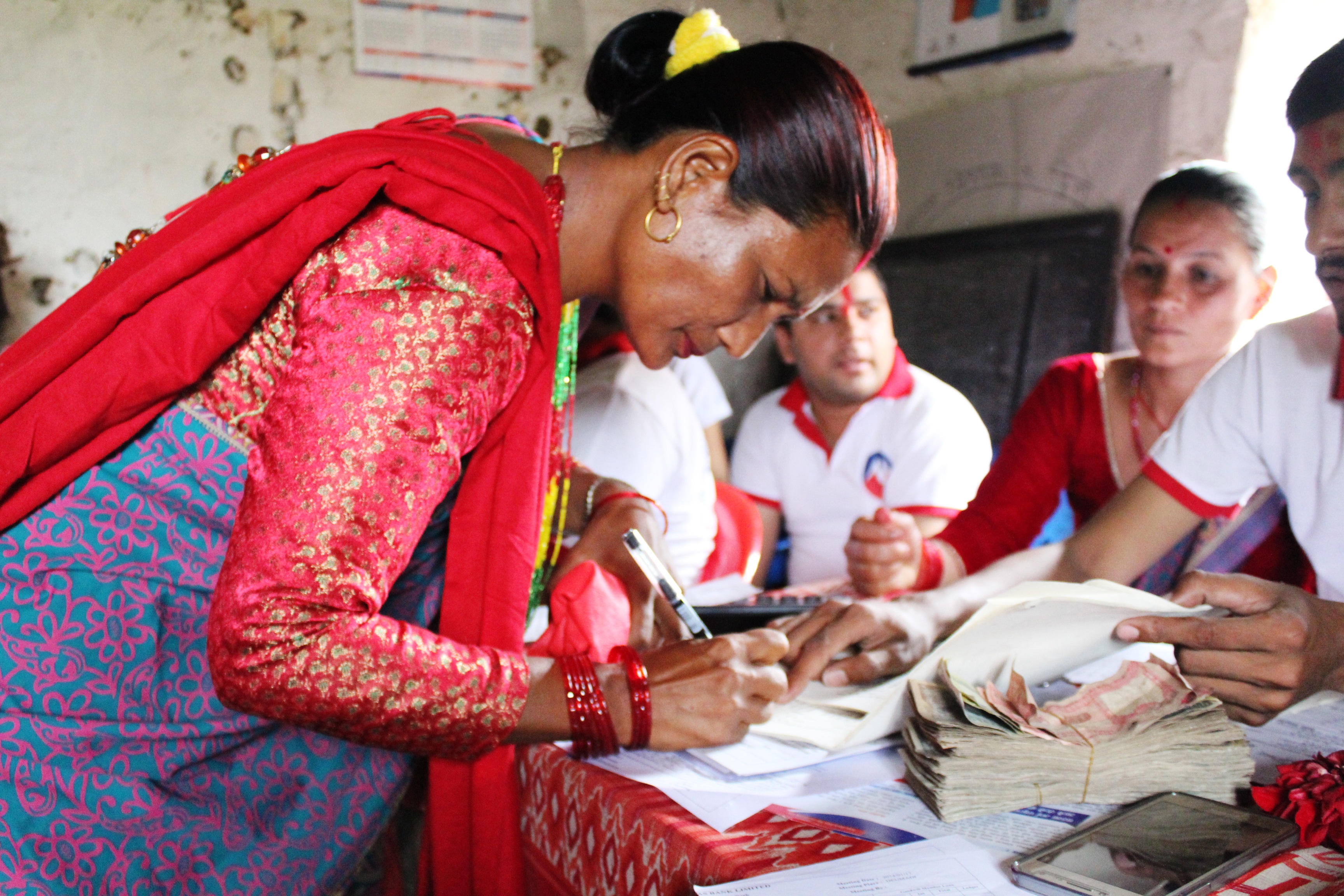
Students in Human Rights and Multi-Level Governance have to take a 9 credits (about 225 hours) worth internship. Here are some basic information and materials to guide you to plan and complete successfullly a stage fitting your master's requirements.
Category DEPARTMENT OF POLITICAL SCIENCES, LAW AND INTERNATIONAL STUDIES (SPGI) / INTERNSHIP
- Teacher: Pietro De Perini
- Teacher: Alberto Lanzavecchia
- Teacher: Sara Pennicino